As demand grows for cork building material in modern construction, the urgency behind it is clear: in Chile, billions of tons of CO₂ are emitted annually from high energy demand across sectors. This accelerates climate change: record temperatures, historic droughts, and unprecedented weather events. In February 2021, Chile passed its first comprehensive energy efficiency law, targeting a 10% reduction in energy intensity by 2030, with projections of $15.2 billion in cumulative savings and 28.6 million tons of CO₂ avoided.
The construction sector has led efforts to improve building energy performance through new regulations (NCH 853, EIFS Standard), envelope design changes, and incorporation of new materials. Even so, the search continues for materials that contribute to both energy efficiency and sustainability. Cork, for example, is a prime solution.
An Infinite Source of Cork
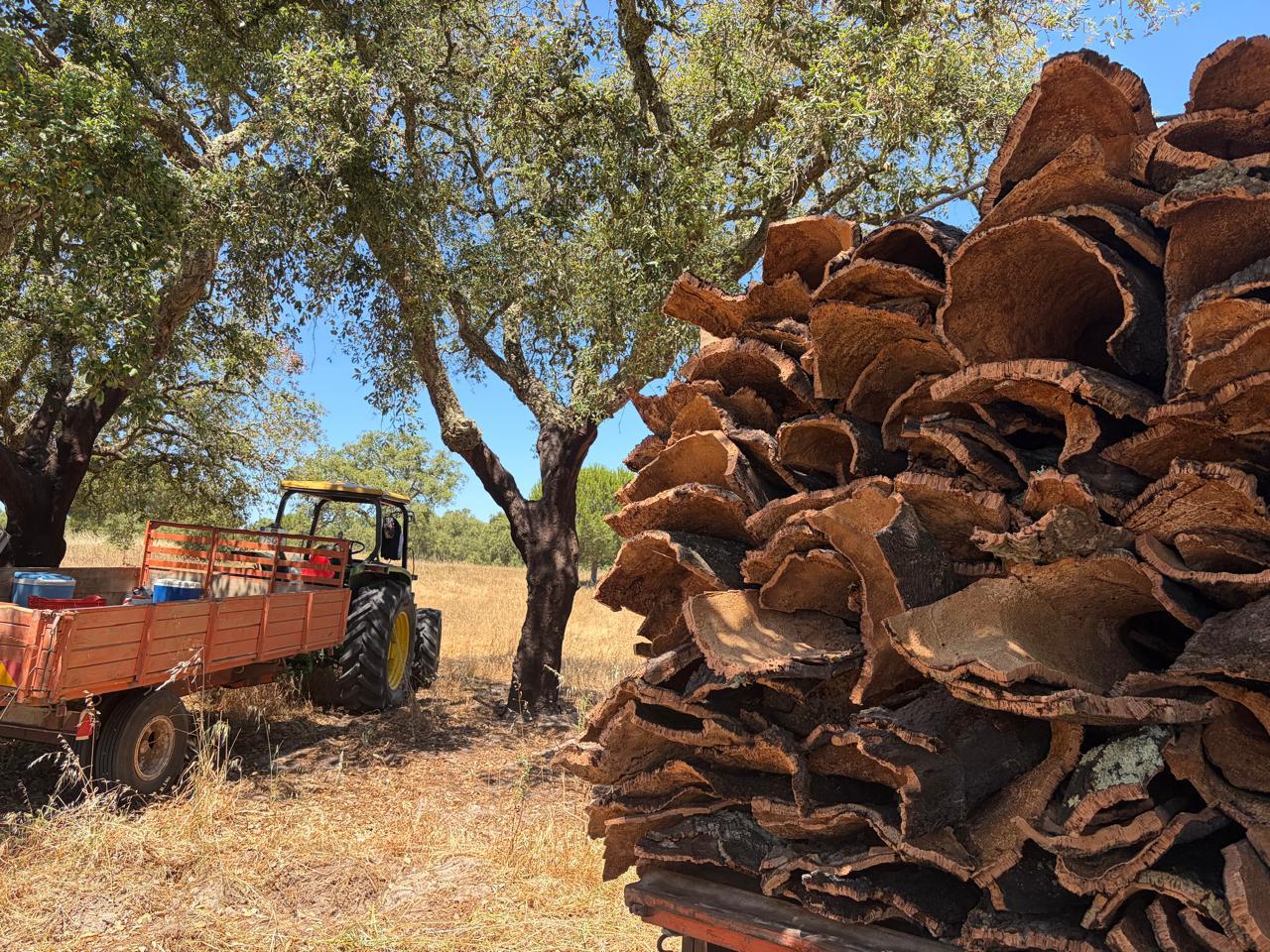
Cork is the outer bark of the cork oak — Quercus Suber — the only tree in the world that produces cork regeneratively. In fact, it lives between 150 and 200 years in protected Mediterranean ecosystems (mountainous zones). The bark is the only resource harvested; harvesters never fell the trees.
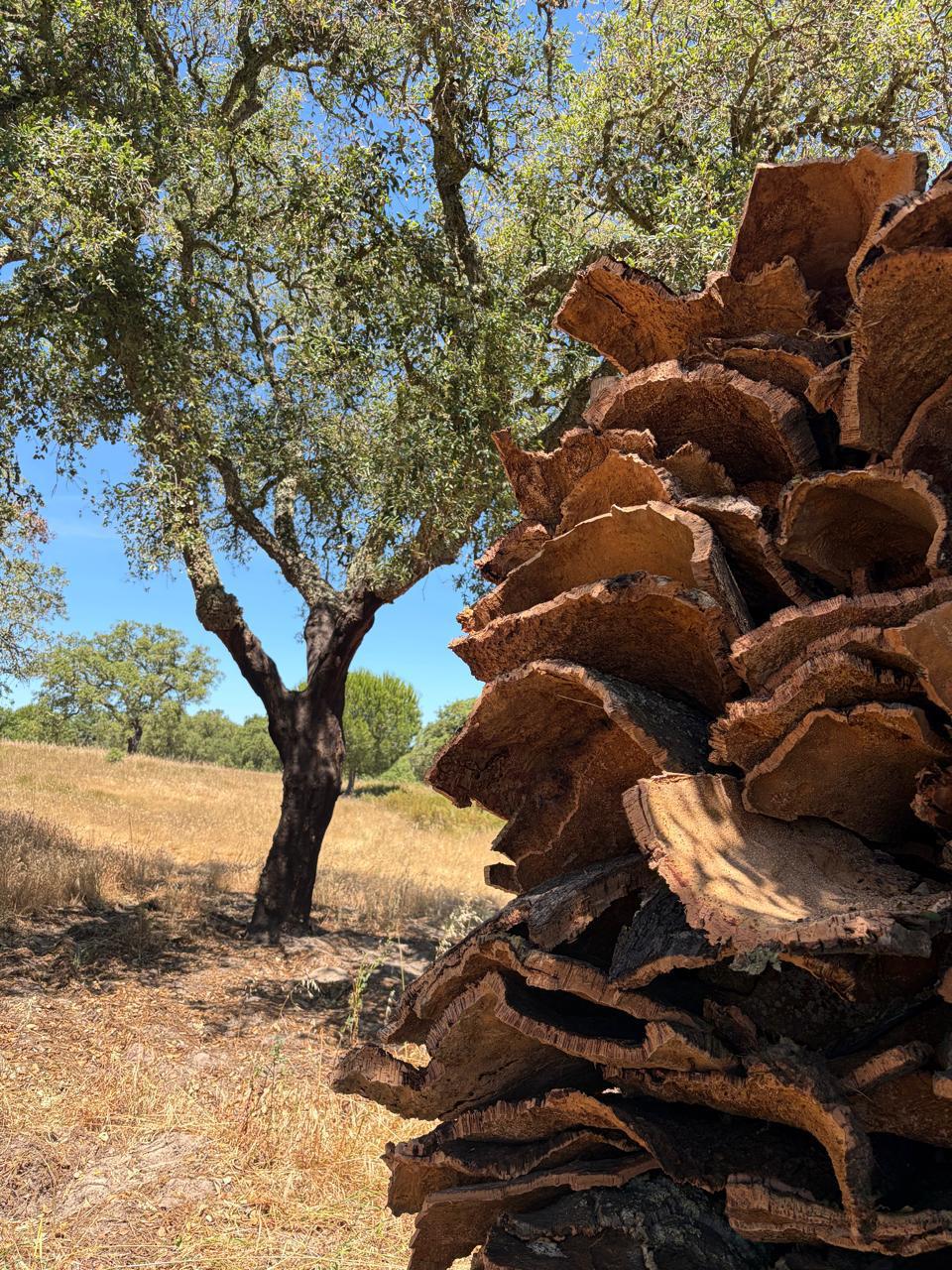
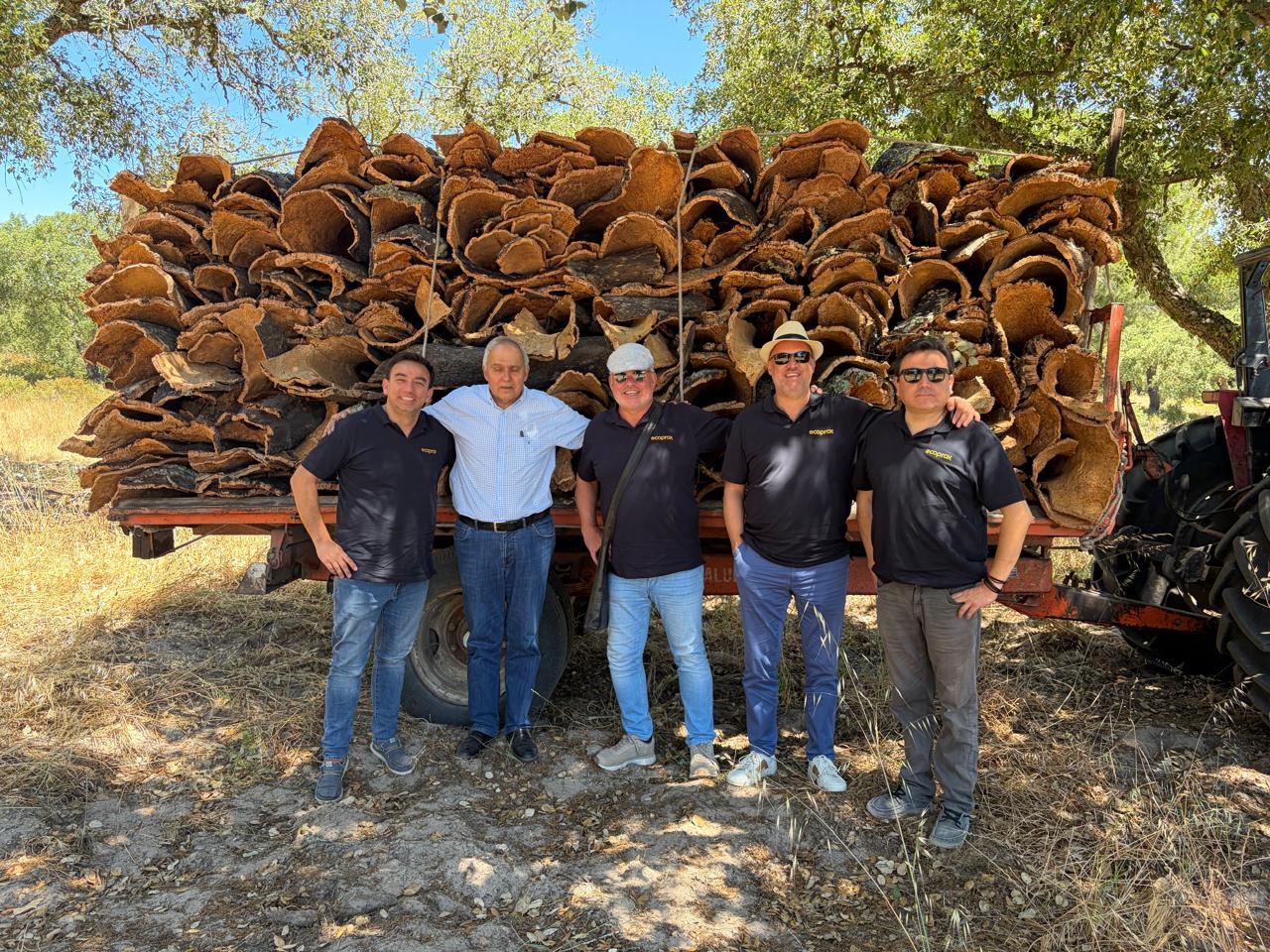
The first harvest occurs at 25 years of age, and successive harvests happen every 9 to 10 years, allowing natural regeneration. Throughout the process, expert cork cutters perform manual extraction to protect the living tissue of the tree.
Regularly harvesting a cork oak’s bark helps it absorb up to 5 times more CO₂ than one left unharvested. As a result, this extraction itself triggers deeper carbon sequestration. In turn, every application of cork-based material in construction actively removes carbon from the atmosphere.
Cork forests slow desertification and support biodiversity that industrial monocultures cannot match. Because of this, the supply chain prioritizes forest protection over forest extraction.
Why Cork Building Material Matters for Construction
This cork building material is 100% natural with unique properties that contribute to building energy efficiency. Unlike synthetic materials, cork carries a pre-loaded carbon benefit — the tree has already sequestered CO₂ over decades. As a result, that carbon remains locked in the material for the service life of the building.
Isolcork’s Commitment
For 15 years, Isolcork has developed a portfolio of cork-based solutions highly efficient from thermal, acoustic, technical, and environmental perspectives. Moreover, we continue innovating in materials and solutions that contribute to energy efficiency and sustainability, demonstrating true commitment to environmental care.
The global context is urgent, and the technical solutions already exist. Now, the choice is whether construction embraces materials that work with nature rather than against it.